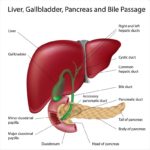
This large, meaty organ sits on the right side of our belly and plays a vital role in the balancing of our metabolic system. It is the largest organ and one of, if not the most, important. We need the liver to process all of the nutrients in our food – protein, carbs, fats, vitamins, and minerals. We need the liver to filter out all of the toxins that enter our body. We rely on the liver to convert food into energy, clean out poisons (including alcohol), help to digest our food, help produce hormones, store glycogen, and regulate generally every important function of our metabolic process. The liver literally receives 30% of the blood circulating through your body every minute in order to perform its detoxifying and nutrient absorbing tasks.
The liver keeps you energized. While carbohydrates can provide the body with energy, it is the liver that actually manages its distribution. Once the gastrointestinal tract breaks the carbs down into glucose, the liver regulates and maintains the healthy levels. Continue reading “Why is the liver so important?”
 Acetaminophen (also labeled as Paracetamol, or more commonly known as
 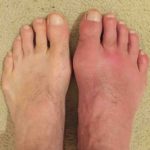 Gout affects an estimated 4% of the population, or around 1 in 25 people. Evidence suggests this number is growing and is certainly affecting a larger demographic than in the past. A lot of confusion has surrounded the specifics on how high levels of
 We all know that stress can cause ailments such as difficulty sleeping, muscle tension, changes in appetite, headaches, stomach problems, panic attacks, and prolonged feeling of sadness or worthlessness. But, did you also know that stress can literally alter the cells in our body and lead to chronic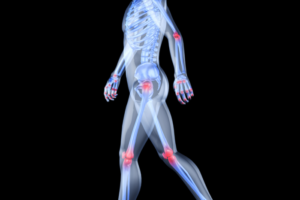

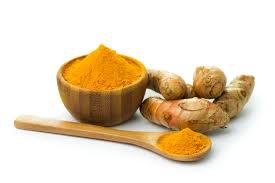 Are we doomed for cognitive decline as we age? Not necessarily. There are plenty of healthy, thriving older adults pushing into their 70’s and 80’s with cognitive functioning as well as, sometimes even better than, younger adults. Cognitive decline is far from uniform, with many variables in play. However, 1 in 9 Americans will suffer with some level of decline by the age of 65, with 1 in 3 by the age of 85.