One Approach Doesn’t Fit All: A Smarter, Whole-Body Approach to Gout & Joint Wellness

Gout isn’t the same for everyone. So why should the approach to managing it be?

For more than 25 years, Alternative Health Research has been helping people understand gout, uric acid, inflammation, and joint health from a different perspective.

Our journey began in 1998 with supplements created from firsthand experience with Gout and the frustration that often comes with trying to understand why attacks keep returning. Over the years, our focus has expanded beyond a single product or a single symptom. We have continued to learn from customers, research, nutrition, formulation, and—perhaps most importantly—the many different ways people experience gout and inflammation.

Today, our philosophy is simple:

One approach doesn’t fit all. The goal is to understand what your body needs and provide support where it matters most.

Gout Is More Than a Painful Joint

A gout attack can make it feel like the problem begins and ends in one toe, ankle, knee, or other joint.

But gout is much more complicated than that.

Uric acid is produced as part of normal metabolism. Problems can develop when uric acid accumulates and, under certain conditions, forms crystals in and around joints. Those crystals can trigger an intense inflammatory response—the familiar redness, swelling, heat, and pain associated with a gout attack.

And here’s something that is easy to overlook:

You can have an underlying uric-acid problem even when you aren’t experiencing an attack.

That is why we have never believed that simply addressing pain when it occurs tells the whole story.

A more complete approach considers the bigger picture:

  • Uric acid metabolism
  • Hydration and elimination
  • Nutrition
  • Digestive and gut health
  • The body’s inflammatory response
  • Joint structure and mobility
  • Overall nutritional status
  • Individual lifestyle and dietary factors

The objective isn’t to chase one symptom after another.

It’s to support the body from multiple angles while recognizing that different people may need different types of support.

Why a One-Size-Fits-All Approach Can Fall Short

Consider two people with gout.

One may primarily be concerned about recurring gout episodes and uric acid balance.

Another may have dealt with gout for years and now be more concerned about stiff, uncomfortable joints.

Someone else may experience broader inflammation or digestive issues alongside their joint concerns.

And another person may simply be looking for nutritional and lifestyle support after realizing that their overall health has a significant influence on how they feel.

These aren’t necessarily the same situation.

So recommending the exact same strategy to everyone doesn’t always make sense.

At Alternative Health Research, we’ve built our philosophy around different needs requiring different support.

That doesn’t mean taking everything at once.

It means understanding the role that different areas of health can play—and addressing the areas that are most relevant to the individual.

Start With the Foundation

Before thinking about specialized support, it makes sense to look at the foundation.

Nutrition matters.

The body requires vitamins, minerals, adequate hydration, and a balanced diet to carry out thousands of everyday processes. That’s one reason our philosophy has evolved beyond focusing exclusively on gout.

You can’t separate joint health completely from overall health.

This is also why our approach considers nutritional support as a foundation rather than treating it as an afterthought.

For some people, that may be the most important place to start.

For others, it may simply be one piece of a larger strategy.

Don’t Forget the Gut

The digestive system is another piece of the puzzle that is often overlooked.

Your gut is involved in digestion, nutrient absorption, immune function, and elimination. Our experience has led us to view digestive health as an important component of a comprehensive wellness strategy. Our own educational material has long incorporated gut support alongside uric-acid-focused support.

This doesn’t mean that probiotics or digestive support are a “cure” for gout.

It means that gut health deserves a place in the larger conversation about whole-body wellness.

That distinction matters.

Then Address the Individual Need

Once the foundation is considered, the approach becomes more individualized.

Is uric acid your primary concern?

Then the focus may be on supporting healthy uric acid metabolism and the body’s normal elimination processes.

Is inflammation your bigger concern?

Then broader nutritional and botanical support for a healthy inflammatory response may be more relevant.

Are your joints the biggest issue?

Then supporting joint structure, cartilage, flexibility, mobility, and connective tissue becomes another consideration.

Are several of these issues happening together?

That’s where a whole-body approach becomes particularly valuable.

The point isn’t that everyone needs every type of support.

The point is that you shouldn’t have to force your individual situation into someone else’s one-size-fits-all solution.

Our Experience Has Shaped This Approach

Alternative Health Research isn’t a company that appeared yesterday because gout became a popular topic online.

We began working in this area in 1998, when GC® GoutCare was our original product and our focus was much narrower. Since then, our experience has expanded into inflammation, digestive health, nutrition, and joint support.

Over those years, we’ve heard from people with very different experiences.

Some were dealing with their first gout episode.

Some had experienced attacks for years.

Some were primarily interested in uric acid.

Others were dealing with broader joint discomfort and inflammation.

And some were simply looking for a more comprehensive approach to their health.

That experience reinforced something we believe strongly:

There isn’t one magic answer for every person.

Good health decisions require context.

Why We Believe a Thoughtful Approach Is Better Than a “Magic Bullet”

There are plenty of products and websites promising instant solutions.

We don’t believe health works that way.

Our philosophy is based on several principles:

1. Address the Bigger Picture

Rather than focusing exclusively on pain, consider the systems and lifestyle factors that influence overall wellness.

2. Target Support to the Individual

Someone primarily concerned with uric acid may have different priorities than someone primarily concerned with joint mobility or broader inflammation.

3. Build From the Foundation

Nutrition, hydration, diet, digestive health, and lifestyle shouldn’t be ignored simply because a person is looking for a supplement.

4. Don’t Overpromise

Dietary supplements are not medications, and they shouldn’t be presented as cures for disease.

Our own website makes this distinction clear: our products are dietary supplements and are not intended to diagnose, treat, cure, or prevent disease.

5. Encourage Informed Decisions

We believe people should understand why they’re taking something rather than simply being told what to take.

That’s one reason we’ve spent so much time developing educational material around gout, uric acid, inflammation, diet, and joint health—not simply selling products.

More Than a Gout Product Company

After more than two decades, we’ve learned that people don’t really come to us because they want another bottle of capsules.

They come because they want answers.

They want to understand:

  • Why does this keep happening?
  • What is uric acid actually doing?
  • Why do my joints still bother me between attacks?
  • Does what I eat matter?
  • What role does inflammation play?
  • Does gut health matter?
  • What can I do differently?
  • And perhaps most importantly: Where do I start?

Those questions are the reason Alternative Health Research has continued to develop educational resources alongside our products.

Our goal has always been bigger than a single supplement.

It’s about helping people understand the connections between gout, uric acid, inflammation, nutrition, digestion, and joint health.


A Whole-Body Approach Doesn’t Mean Doing Everything

This may be the most important part of our philosophy.

Whole-body doesn’t mean “take everything.”

It means looking at the whole person before deciding what kind of support makes sense.

For one person, the foundation may be the priority.

For another, uric acid support may be the primary concern.

For someone else, inflammation or joint mobility may deserve more attention.

And for many people, several areas may overlap.

That’s why we think of our approach as a pathway rather than a prescription.

Start with the foundation.

Strengthen the basics.

Understand your individual needs.

Then add targeted support where appropriate.


One Approach Doesn’t Fit All. Your Health Is Personal.

After starting in 1998, we’ve had more than enough time to learn one thing:

People are different.

Their diets are different.

Their lifestyles are different.

Their health histories are different.

Their gout experiences are different.

And their goals are different.

So their approach should be allowed to be different, too.

At Alternative Health Research, we’re proud of the experience we’ve built over the years, but we’re even more interested in what that experience has taught us:

There is no single “magic bullet.”

There is a better way to think about gout and joint wellness—one that looks beyond the painful joint, considers the whole body, recognizes individual needs, and encourages informed choices.

That’s the philosophy behind our Whole-Body Approach to Gout & Joint Wellness.

Different needs. Different support. One complete picture of better health.


Learn More

We’ve been researching and educating about gout, uric acid, inflammation, nutrition, and joint health since 1998.
Explore GoutCure.com

Curcugreen Turmeric: The Powerful Natural Supplement for Health and Wellness

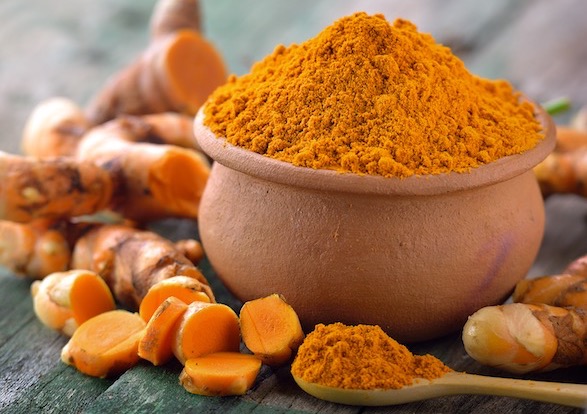
Turmeric has long been hailed as a superfood, renowned for its numerous health benefits, particularly due to the active compound curcumin. In recent years, a new form of turmeric supplement has taken the wellness world by storm: Curcugreen Turmeric. This innovative formulation is designed to enhance the bioavailability and absorption of curcumin, making it more effective than traditional turmeric supplements.

Continue reading “Curcugreen Turmeric: The Powerful Natural Supplement for Health and Wellness”

Artichoke Powder for Gout and Joint Health

ARTICHOKE POWDER (Globe Artichoke)

A relative of the hepatoprotective Milk Thistle, is popular for its pungent taste which is attributed to phytochemicals found in the green parts of the plants called cynaropicrin and cynarin, sesquiterpene lactones with documented medicinal actions. The phytochemicals in artichoke have been well documented and the leaves rather than the flower have been found to be higher in medicinal value.

Artichokes contain a very high antioxidant content, and in fact, contain two compounds (apigenin 7-rutinoside and narirutin) that are so unique they aren’t found in any other plant.

Traditional uses have included support for sluggish liver, poor digestion and atherosclerosis. Artichokes offer concentrated sources of amino acids and even help to support the natural growth of probiotics for the digestive system.

Continue reading “Artichoke Powder for Gout and Joint Health”

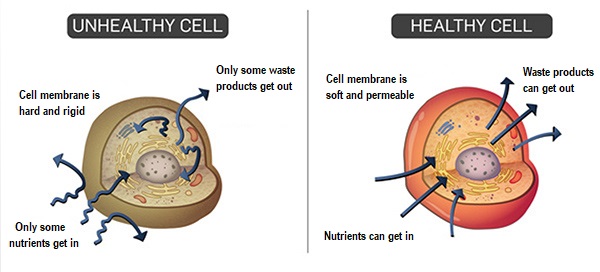
Cell Death, Cellular Toxicity, and Gout

Considering that all disease occurs at the molecular and cellular level, could all disease share common causes and common solutions?

Toxic damage to cells leads to cellular death, and in large numbers can result in tissue and organ damage/failure. Some tissues and organs hold the capacity for self-repair, while others have no ability to regenerate. For example, the liver can repair damaged sections by fibrous replacement, whereas the nervous system tissue has no ability to regenerate itself. Of course, even the liver will have trouble if the damage is severe and/or continues to suffer from abuse.

Continue reading “Cell Death, Cellular Toxicity, and Gout”

Is Uric Acid Good or Bad?

Purines perform multiple important functions within our cells, including regulating energy metabolism and signaling the energy conversion from one to another.  Purines are essentially the building blocks for all living things as a necessity for the growth, proliferation and survival of all cells.  The two purine bases, adenine and guanine, create bonds that form the DNA ladder. Humans breakdown purines and convert them into uric acid.

Uric acid happens to be a potent DNA protector.  All other mammals possess an enzyme known as uricase.  Uricase converts uric acid into allantoin, which can easily travel through the bloodstream and readily eliminated through the urine.  Humans do not possess this enzyme, therefore, we cannot oxidize uric acid into the more soluble compound of allantoin.  Our liver and kidneys are left to do the all-important jobs of purine breakdown and uric acid disposal, conducted respectively.

Blood serum uric acid levels are determined by two components:

  • uric acid synthesis
  • uric acid excretion

Synthesis takes place in the liver as a result of the breakdown of purines.  Purine levels are mostly determined by what is naturally produced by the body, with approximately the other 30% absorbed from the food we eat.  The second component, uric acid excretion, is determined by the rate at which the kidneys are able dispose of the excess.  According to a study conducted by Hyon K. Choi in 2005, about 90% of hyperuricemia is attributed to impaired renal excretion.

As we mentioned above, uric acid is a potent antioxidant and DNA protector.  Could this be why only 10% of the uric acid that enters a normal human kidney is disposed of?  Would it be safe to assume the other 90% that is reclaimed and sent back into the bloodstream is done so for our bodies to utilize its powerful antioxidant and free radical neutralizing powers? 

According to science…..

Uric acid is responsible for the neutralization of over 50% of the free radicals in our bloodstream.  Considering humans and primates are unable to naturally produce Vitamin C, we may have inherited the ability to utilize uric acid.  Uric acid remains extremely controversial and difficult to manage.  On one hand, uric acid protects high-oxygen tissues (like the brain) from damage and has been shown to increase the risks of several neurological disorders in the presence of sub-par levels.  On the other hand, high-serum uric acid levels are inversely associated with the severity of several diseases, especially the state of cardiovascular diseases.

Is there a balance?

Yes, although the course(s) of action to achieve this balance may be equally as complex, as well as individually determined.  As a former Gout sufferer, I naturally ventured down the path of reducing my purine intake by focusing on my diet.  Once I understood a bit more about the roles of purines and uric acid I was able to conclude that this path was not going lead me to success. 

I asked myself the following questions:

  1. If only 30% of the purines in my body come directly from food, then will a low-purine diet do anything to help with the main 70% of my production?
  2. Do I have any control over the other 70% that occurs naturally in my body?
  3. Am I doing anything to directly contribute to higher purine production aside from the food I eat?
  4. If the food I eat is low-purine, but still unhealthy, does that have any impact on the amount my body is naturally producing?

The last question truly gave me pause.  If the natural purine production stems from normal DNA and RNA turnover, were there things I was doing to my body to cause my cells to die and turnover faster than usual? 

This brought me to another series of questions, ones I believe to be more relevant to my cause:

  1. Do my medications and over-the-counter drugs contributing to faster cell death?
  2. Was I hydrated enough?  Cellular dehydration is extremely common and definitely causes cellular turnover.
  3. Did my slightly overweight body and lack of exercise have anything to do with the health of my cells?
  4. Was my rather heavy alcohol consumption a bigger problem than just the purines alone?  Does it affect my cells, too? 
  5. Did my high stress life contribute to faster cellular death?
  6. Does my sweet tooth and sugar intake affect my cells and uric acid production?
  7. If my body can’t naturally produce certain vitamins and antioxidants, could I help my body by supplying enough in my diet and supplementation in hopes of my kidneys not reclaiming as much uric acid to help in their absence?

Looking ahead….

These are some really important questions that opened my eyes to a whole new approach and a whole new outlook on the importance of taking better care of myself.  These questions initially targeted my efforts to gauge my cellular health (or lack thereof), but also really put my kidney and liver health into question. Many of us unknowingly damage the health of our cells, furthering excess uric acid production. In doing so, we are also placing unnecessary strain on the very organs we need to help us rid of the excess uric acid.  What a conundrum!

These epiphanies led me to better health, elimination of my medications (blood pressure, cholesterol, and Gout), correction of my glucose levels, secured my beliefs in the right all natural remedies, led to my blog, and changed my life! It doesn’t have to be so overwhelming. Take a step back and look at the bigger picture and you will find there is a lot of common sense in play here, and even more common sense solutions.  Take it slow, one adjustment at a time for attainable goals.  This site offers a series of articles to highlight a bit more on the specifics regarding stress, hydration, diet, and much more

Here’s to your Gout and Inflammation free 2020 and beyond!

Oh no! Santa has the Gout…..

How to survive the Christmas and Holiday Season if you suffer with Gout

A beacon has been sent out from the North Pole summonsing a doctor to come and see what could possibly be wrong with Santa. He can barely move his foot without pure agony. The weight of his bed cover alone is sending him through the roof in pain. Mrs. Claus is distraught. Mr. Claus is running a fever, he has the chills, and his big toe is as red and shiny as Rudolph’s nose.

The doc arrives:

Continue reading “Oh no! Santa has the Gout…..”

Is the Keto diet safe for Gout Sufferers?

Contrary to popular belief, the Keto diet is not protein focused. Rather, this diet focuses on a high fat and low carb diet to shock the body into ketosis. Ketosis is a metabolic process where the body is able to focus on burning fat with carbs mostly out of the picture. The body doesn’t have to work hard trying to burn the carbohydrates for energy, therefore, blood sugar is lowered and fat burning becomes the main focus.

Is this good for the Gout sufferer? Continue reading “Is the Keto diet safe for Gout Sufferers?”

Gout and Kidney Disease

Chronic kidney disease (CKD)

Chronic kidney disease (CKD) limits the amount of waste filtration your body is capable of processing. Uric acid is not seen as a foreign matter to the body, therefore is usually last to be dealt with from a toxin filtering standpoint. This can allow for uric acid build-up, and, in turn, the increased likelihood of developing Gout. The medications used to treat kidney disease have also been associated with drug-induced cases of Gout. Diuretics and beta blockers are typically used for kidney disease induced high blood pressure and are well known to contribute to Gout development.

There is enough scientific research to confirm that kidney disease can cause Gout. How about the opposite? Can Gout lead to kidney disease? The chicken or the egg? Uric acid is filtered through the kidneys, an undeniable relation to both diseases. While this connection may be less established, the evidence is certainly present. Each condition is well-equipped to feed the other.

Continue reading “Gout and Kidney Disease”

Can you repair Gout and Arthritis on your own?

All natural healing is guaranteed with patience and understanding. Having a better understanding of your condition can pave the path to lifelong success in controlling it for good.  Knowledge of your disorder, and all the contributing factors in your life having led up to your very current ailment(s), can make for a better understanding of the necessary approach and commitment to resolving it. 

Inflammatory diseases are not an overnight occurrence.  Some of you may be approaching natural healing as your first form of treatment, while many of you have suffered for years upon years, and the prescription drugs are no longer helping you.  Natural healing may not be a “quick-fix”, but it also avoids the common “band-aid” for your symptoms like many modern-day prescription drugs. Instead of treating your symptoms, natural healing aims to repair the problem that is causing your symptoms in the first place.

Do you feel like you’ve already tried everything to heal on your own, without long-term success? 


Things we hear often:

Continue reading “Can you repair Gout and Arthritis on your own?”

Traditional Gout Medications

Most commonly prescribed Gout medication options include:

Xanthine Inhibitors: These actually block the enzyme, (xanthine oxidase) necessary for the conversion of purines to uric acid. As of result, blood serum levels are lowered and used to prevent chronic gout, stones, and hyperuricemia. It is not actually a treatment for an acute attack, and can even exacerbate an attack if used while it’s running its course. This treatment sounds good in theory, however, un-naturally stopping a very natural and necessary production such as uric acid must take its toll on the body somehow? After all, uric acid is a potent antioxidant vital to the human body. Attempting to halt its production could be detrimental to its important role as the protector of our DNA. As a result, it is necessary to monitor the liver, kidneys, and blood during its use.

Possible side effects include:

Continue reading “Traditional Gout Medications”
error

Enjoy this blog? Please spread the word :)