Kidney Stones
Kidney Stones (renal calculi) are formed as a result of a buildup of dissolved minerals on the inner lining of the kidneys. Once they make their way into the urinary tract severe pain in the groin, stomach, or flank area can ensue. A decrease in urination coupled with a large amount of stone-forming substances can cause these types of stones to appear. These stones can be formed by the mixture of calcium with oxalate or phosphate; and/or the combination of uric acid and amino acid cysteine.
Much like Gout, Kidney stones are being diagnosed more and more in recent years. The same type of stones can develop in the bladder as well, but are much more uncommon and have remained relatively low and unchanged by comparison. Over the span of almost 30 years, the Mayo Clinic observed a significant rise in the incidences of kidney stones; particularly in adult women. With more accurate CT scans our ability to monitor and diagnose stones are partly behind a good portion of this rise in cases, but also goes hand in hand with the rise in Obesity and Diabetes Type 2. Diets high in sugar, unhealthy fats, and salt have been to blame for stones and this type of diet certainly fits the profile for all of these conditions.
Continue reading “Gout and Kidney Stones”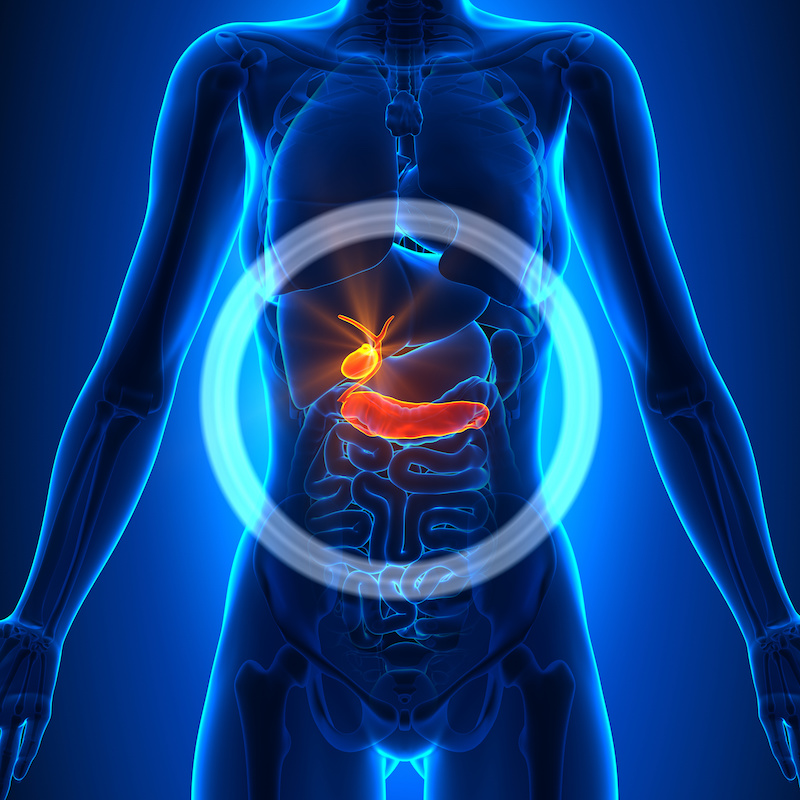
 Regular physical activity can offer us a multitude of health benefits. Recent studies show just 20 minutes a day can produce anti-inflammatory effects, adding to the already lengthy list of how fitness can support our bodies. That’s right! In addition to reducing heart disease, lowering
  Science has determined that chronic inflammation plays a role in many diseases, including those that are commonly understood as inflammatory diseases as well as others that were not originally connected with inflammation, such as obesity and