 Regular physical activity can offer us a multitude of health benefits. Recent studies show just 20 minutes a day can produce anti-inflammatory effects, adding to the already lengthy list of how fitness can support our bodies. That’s right! In addition to reducing heart disease, lowering blood pressure, reducing the risk of Diabetes type 2, reducing the risk of cancer, improving metabolism and weight loss, strengthening the heart, muscles, and bones — regular exercise can also reduce inflammation and your chances of suffering from other inflammatory conditions.
Twenty minutes a day is all it takes. Researchers believe that Continue reading “Does Exercise Help Reduce Inflammation?”

 Just how bad are fake sugars for you? Let’s just start by making you aware that saccharin was discovered over 150 years ago by a chemist working with coal tar. Coal tar — you know, a well-known carcinogenic material. Studies dating back to the 1970’s concluded that saccharin was linked to bladder cancer in laboratory rats. If that isn’t evidence enough…… Yet, a gazillion conflicting studies later and we still have an issue that remains under intense debate. Saccharin is sold under brand names such as Sweet and Low
 We all know that stress can cause ailments such as difficulty sleeping, muscle tension, changes in appetite, headaches, stomach problems, panic attacks, and prolonged feeling of sadness or worthlessness. But, did you also know that stress can literally alter the cells in our body and lead to chronic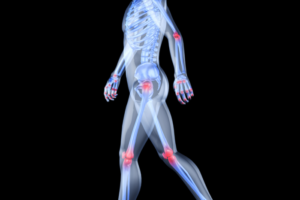


 Are we doomed for cognitive decline as we age? Not necessarily. There are plenty of healthy, thriving older adults pushing into their 70’s and 80’s with cognitive functioning as well as, sometimes even better than, younger adults. Cognitive decline is far from uniform, with many variables in play. However, 1 in 9 Americans will suffer with some level of decline by the age of 65, with 1 in 3 by the age of 85.
 Science has determined that chronic inflammation plays a role in many diseases, including those that are commonly understood as inflammatory diseases as well as others that were not originally connected with inflammation, such as obesity and