Inflammation is a natural, thriving mechanism of the immune system. Acute inflammatory response is a way to fire at and ward off disease and infection, as well as to fuel cellular regeneration. We all require a healthy measure of inflammation in order to survive. What happens when the body feels as though it is constantly under an attack of some sort? What if the inflammatory response persists and you are plagued with an incessant slow burning fire inside of you? This is precisely when a good thing, goes bad.
The body is amazingly resilient, but relies solely upon communication between the major systems within the body (the endocrine, digestive, respiratory/cardiovascular, and the central nervous system) in order to function and heal properly. When chronic inflammation is present, these systems can no longer communicate, and disease is
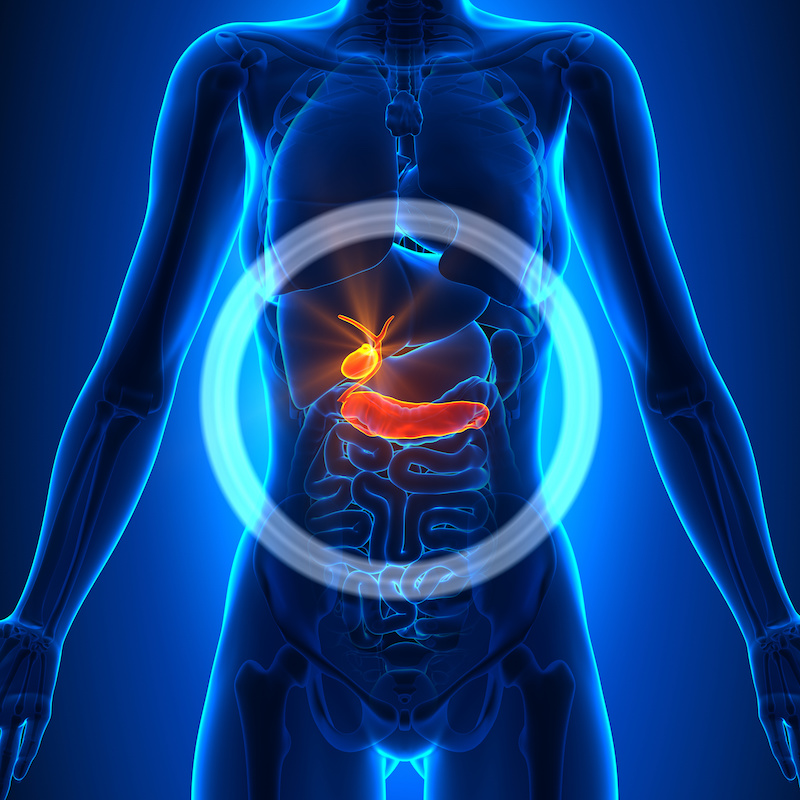



 Excessive amounts of
  We all know that stress can cause ailments such as difficulty sleeping, muscle tension, changes in appetite, headaches, stomach problems, panic attacks, and prolonged feeling of sadness or worthlessness. But, did you also know that stress can literally alter the cells in our body and lead to chronic
 Are we doomed for cognitive decline as we age? Not necessarily. There are plenty of healthy, thriving older adults pushing into their 70’s and 80’s with cognitive functioning as well as, sometimes even better than, younger adults. Cognitive decline is far from uniform, with many variables in play. However, 1 in 9 Americans will suffer with some level of decline by the age of 65, with 1 in 3 by the age of 85.